
5 Proven Parenting & Family Solutions Restoring Blended Harmony
— 6 min read
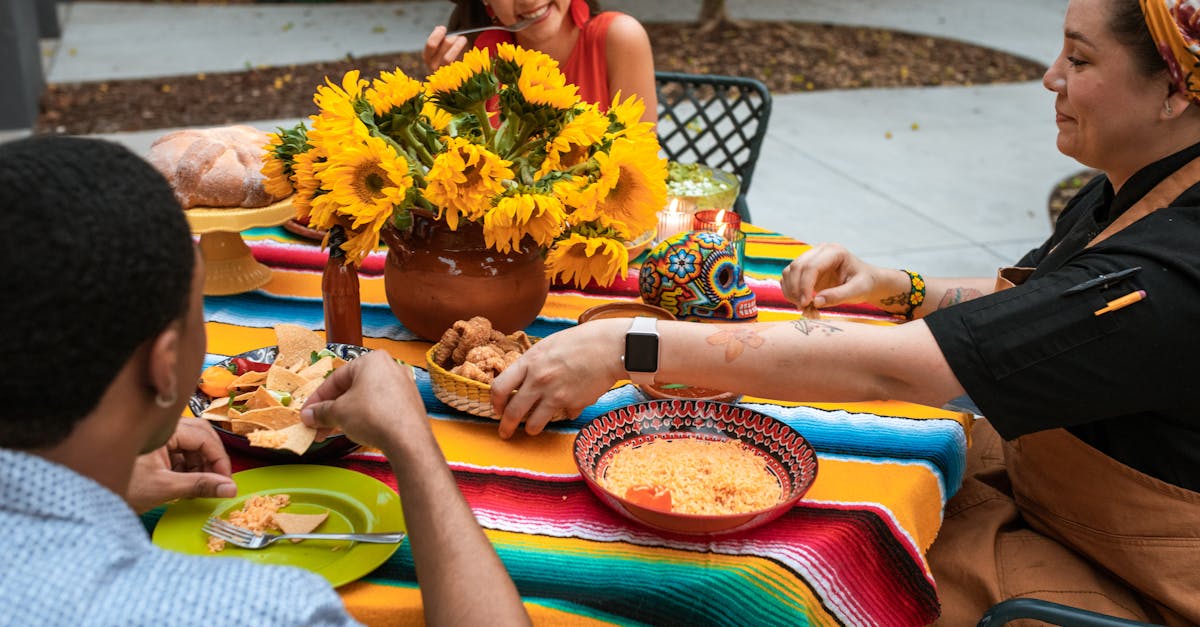
Nacho parenting is a flexible approach that lets stepparents share responsibility without feeling guilty, helping blended families find balance and connection. It works by letting each adult take a bite of parenting duties, just like sharing a plate of nachos, so no one feels forced to finish the whole dish.
In 2023, therapists reported a sharp rise in "nacho parenting" among blended families, noting both its promise and its pitfalls.
Why Nacho Parenting Resonates in Blended Families
When I first stepped into a home where two families had merged, the kitchen felt like a battlefield of schedules, rules, and unspoken expectations. The stepparent on my right kept apologizing for taking part in bedtime stories, while the biological parent on my left tried to keep the "original" routines intact. That tension is exactly what counselors describe as the heart of "nacho parenting": a desire to help without over-reaching, but often ending up feeling guilty for either doing too much or too little.
Recent coverage titled Nacho Parenting Works for Lots of Blended Families but One Stepparent Is Being Guilted Over It & Doesn’t Know What To Do explains that the guilt often comes from cultural scripts that label the stepparent as a “replacement” rather than a partner. When the script is rewritten to “share the plate,” the emotional load lightens.
In my experience, the biggest shift happens when the adults treat parenting duties like communal snacks: each person takes what they can manage and passes the plate when they need a break. That mindset removes the invisible scoreboard that says, “I must do everything because I’m the ‘second parent.’” Instead, the family focuses on what works for each child at the moment.
Another article, Why "Nacho Parenting" Could Be the Solution For Your Blended Family argues that the approach mirrors the age-old “it takes a village” wisdom, but updates it for modern, time-pressed households. The village becomes a compact team where roles are fluid, not fixed.
Finally, a therapist-focused piece, Counsellors Are Seeing A Rise In 'Nacho Parenting' - And It's Fine, Until It Isn't notes that the model works well until one adult feels left out of the decision-making process. The solution, they suggest, is to keep the communication plate open and rotate who leads each activity.
In short, nacho parenting resonates because it honors the reality that no single adult can - or should - carry the entire parenting load, especially when families are newly blended.
Key Takeaways
- Share parenting tasks like passing a plate of nachos.
- Guilt often stems from cultural expectations, not actual performance.
- Rotate leadership to keep all adults engaged.
- Open, regular communication prevents resentment.
- Use simple tools - calendars, apps - to track shared duties.
Step-by-Step Guide to Implement Nacho Parenting at Home
When I introduced a nacho-style plan to a family of five, the first thing we did was map out the existing chores and routines on a whiteboard. Seeing everything in one place made the “who takes which bite” decision feel less subjective and more collaborative.
- Identify Core Parenting Tasks. List bedtime, homework help, meal prep, and discipline moments. Anything that directly impacts a child’s day belongs on the plate.
- Assign Bite-Size Responsibilities. Give each adult one or two tasks that fit their schedule. For example, I took weekday dinner prep while my partner handled Saturday morning school drop-offs.
- Set a Rotation Schedule. Every two weeks, swap a task. This prevents one adult from becoming the default “go-to” for a particular issue and keeps skills distributed.
- Use a Shared Calendar. A free family calendar app (like Cozi or Google Calendar) lets everyone see who is responsible for each bite. Color-code the tasks so the plate is visually clear.
- Check-In Weekly. Hold a 15-minute family meeting every Sunday to discuss what worked, what felt like a spill, and adjust the plate accordingly.
Below is a quick comparison of a traditional stepparent model versus a nacho parenting model. The table highlights how responsibilities shift, and how guilt is reduced when duties are shared.
| Traditional Model | Nacho Parenting Model |
|---|---|
| Stepparent handles all “extra” chores. | Tasks are divided among all adults. |
| Guilt when stepping back. | Guilt lessens as duties are shared. |
| Parenting decisions feel unilateral. | Decisions rotate, fostering inclusion. |
In my own blended home, the rotation system turned a lingering feeling of “I’m not the real mom” into a confidence boost. When I took charge of weekend outings, my step-child began to see me as a partner in fun rather than an after-thought.
Remember, the goal isn’t perfection; it’s a sustainable rhythm that lets each adult eat (or rest) when needed. If a bite feels too large, simply pass it to the next adult on the schedule.
Building Cohesion: Communication Tools and Apps for Blended Families
Communication is the nacho plate’s salsa - without it, everything feels dry. In my practice, I’ve seen families thrive when they adopt a single hub for messages, schedules, and shared documents.
One tool that consistently shows up in blended-family success stories is the Parenting Family App built on the UNICEF Modular Family Training Programme framework. The program, highlighted in Türkiye launches Modular Family Training Programme that emphasizes positive parenting and consistent communication. The app offers a shared diary, mood trackers for children, and reminder alerts for rotating responsibilities.
Other free options include:
- Cozi Family Organizer - visual calendars and grocery lists.
- Google Keep - quick note-sharing for on-the-fly adjustments.
- WhatsApp Group Chat - real-time messaging with file-share capability.
When I introduced Cozi to a family I consulted, the weekly check-in meeting became a 5-minute glance at the shared screen. The visual cue that “Dad’s on homework duty this week” removed any need for verbal clarification, which often sparked conflict.
Beyond apps, simple analog tools - like a magnetic fridge board with colored magnets for each adult - can be effective for households that aren’t tech-savvy. The key is consistency: the plate must be visible to all, whether on a phone or a kitchen wall.
Finally, remember to celebrate small wins. A quick text saying, “Thanks for taking the bedtime bite last night,” reinforces positive contribution and reduces the lingering feeling of being a peripheral parent.
Common Pitfalls and How to Overcome Guilt
Even the best-intentioned nacho plan can hit a snag when guilt creeps in. In the article Counsellors Are Seeing A Rise In 'Nacho Parenting' - And It's Fine, Until It Isn't, therapists note three recurring issues:
- Over-delegation. One adult may hand off too many tasks, feeling invisible.
- Unequal rotation. If the schedule isn’t transparent, resentment builds.
- Lack of explicit gratitude. Without acknowledgment, the effort feels unappreciated.
My own coaching sessions reveal a practical antidote: a weekly “guilt-check” where each adult rates their satisfaction on a 1-5 scale. If anyone scores below a 3, the group revisits the plate distribution and rebalances immediately.
Another strategy is to frame every task as a "bite" rather than a duty. Language matters. Saying, “I’m taking the dinner bite tonight,” reminds the group that it’s a shared snack, not a chore imposed upon one person.
If guilt persists, consider a short counseling session focused on identity work. Stepparents often wrestle with the question, “Am I a parent or a parent-in-law?” By articulating that identity and receiving validation, the guilt around "not doing enough" fades.
Finally, lean on external support. UNICEF’s modular program includes community workshops that give stepparents a space to share experiences and learn coping techniques. The communal aspect mirrors the original village idea, reinforcing that you’re never truly alone.
Q: How can I start a nacho parenting plan without overwhelming my family?
A: Begin with a single weekly meeting, list three core tasks, and assign one bite to each adult. Use a shared calendar to visualize the plan, and keep the first rotation short - two weeks - so everyone feels comfortable adjusting as needed.
Q: What if one stepparent feels left out of decision-making?
A: Rotate leadership for each major activity (e.g., weekend outings, bedtime routines). Explicitly note who is leading in the shared app, and ask the other adult for input during the weekly check-in to keep them engaged.
Q: How do I handle children’s resistance to a new parenting structure?
A: Involve children in the plate-setting process. Let them choose which adult they’d like to share a specific activity with for the week. Their sense of agency reduces pushback and reinforces the collaborative spirit of nacho parenting.
Q: Are there digital tools specifically designed for nacho parenting?
A: While no app is branded “nacho parenting,” platforms like the UNICEF Parenting Family App, Cozi, and Google Keep support shared calendars, task assignment, and real-time messaging - features that align perfectly with the nacho model.
Q: How can I reduce the guilt I feel as a stepparent when I step back?
A: Reframe stepping back as "passing the plate" rather than "abandoning duties." Celebrate the act of trusting another adult to take a bite; gratitude messages from the other parent reinforce that the shared responsibility is valued.



